Everything You Need To Know About Pre-Workout Nutrition

Hema Shah • January 8, 2026

Nutrition prior to exercise has a great impact on how you will perform, feel, and recover during training. Pre-workout nutrition can greatly affect your overall energy and result, regardless of the type of exercise you are performing (HIIT Classes near me, Hyrox Training, or Gym Classes West Hampstead). Pre-workout nutrition creates the foundation for a great workout. At HIIT West Hampstead, we encourage our members to remember that the best workouts are created in the kitchen, not on the gym floor.

Why Pre-Workout Nutrition Matters

To operate at peak performance, the body requires fuel. If your body is deprived of the correct types of fuel, you will feel tired, have limited energy and stamina and will likely be unable to sustain the level of intensity required during your workout. Proper Nutrition Before Your Workout will help to:


- Provide You With Increased Energy & Endurance

- Provide You With Improved Strength & Focus

- Limit Muscle Breakdown During Your Workout

- Aid In Faster Recovery From Your Workout


When training at one of the Best Gyms Near West Hampstead or participating in the strenuous Hen Fitness Class, be sure that you are consuming the right type of food before each and every session so that you can maximise your results from each session.


What Should You Eat Before a Workout?

An ideal meal to consume before a workout needs to have carbohydrates, proteins, and small amounts of healthy fats in order to provide proper nutrition for your body.


Carbohydrates

The main source of energy for your body is carbohydrates. They will give you the energy you need for your high-intensity workouts such as Crossfit, Hyrox, and other forms of HIIT. Some carbohydrates that are good to include before your workout are oats, wholegrain toast, fruits, and rice.


Protein

Your muscles will be repaired and grow with the addition of protein. If you have an adequate amount of protein in your body before you exercise, it will protect your muscles from being broken down during high-intensity workouts. A few good sources of protein to include before a workout are Greek yoghurt, eggs, and protein shakes.


Fats

Healthy fats can help with longer or moderate intensities. However, they should be used sparingly because they take a longer time to digest before any high-intensity training sessions.


Timing Your Pre-Workout Nutrition

Timing your meals is just as important as what food you eat.

2 to 3 hours before exercising: A balanced meal with carbohydrates, protein, and fat. 

30 to 60 minutes before exercising: A light snack, primarily made up of carbohydrates. 


If you want to squeeze in an early morning session at one of the Gyms close to me and don't want to experience fullness, a small smoothie or banana will adequately increase performance without making you feel overly full.


Hydration: The Often-Forgotten Factor

Water intake will reduce dehydration and keep you strong, focused and able to endure your workouts. It is crucial to consume water throughout the day, not just before a workout. This is especially true when participating in intense exercise such as Hyrox or back-to-back Fitness classes in West Hampstead.


Pre-Workout Supplements: Are They Necessary?

Many pre-workout dietary supplements offer athletes increased awareness, stamina, etc., but if you're considering using these as your primary form of energy while participating in physical activities, don't rely on them exclusively. Many athletes have achieved amazing results using whole foods as their primary energy source. If you plan on using dietary supplements, be sure to use recognised brands and avoid taking in large amounts of caffeine, particularly when working out later in the evening.


Tailoring Nutrition to Your Training Style

Every workout requires a unique approach to fuelling yourself. For example, HIIT, CrossFit and Hyrox sessions require quick access to energy, whereas strength training classes may require a higher protein intake. We offer assistance to anyone participating in HIIT West Hampstead to create a proper nutritional plan according to their training goals and needs.

Get Directions

Japanese Car Auction Sheet Online in Pakistan
November 24, 2026
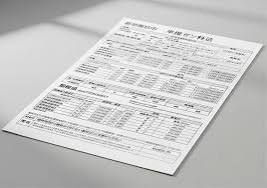
A Simple Guide for Car Buyers Buying a Japanese car in Pakistan can be a smart choice. These cars are usually well kept and offer good value. But there is one big risk: fake or changed auction sheets. Some sellers change the mileage or hide accident history to get a higher price. This guide explains, in simple words, how to check an auction sheet before you pay. What Is an Auction Sheet? In Japan, most used cars are sold through car auctions. Before each sale, an inspector checks the car and writes a report. This report is called the auction sheet . The sheet shows: The name of the auction house and the date The lot number The chassis number (also called the frame number) The model, year, color, and engine size The mileage (in kilometers) The overall grade of the car The interior grade A small drawing of the car with letters and numbers that mark dents and scratches Notes written by the inspector Think of it as the car's health report. Why Verification Matters A fake sheet can hide: Accident damage or repair work Rolled-back mileage Flood or water damage Rust or paint problems If you buy a car with a changed sheet, you may pay much more than the car is worth and face repair bills later. Step 1: Get a Clear Copy of the Sheet Ask the dealer or importer for a full, clear copy of the original auction sheet, not just a photo of one corner. Make sure you can read the chassis number, grade, and mileage. If the seller refuses to share it, take that as a warning sign. Step 2: Check the Basic Details Look closely at the sheet and ask yourself: Is the chassis number on the sheet the same as the one on the car? The chassis number should match the number on the car's body, the import papers, and the registration documents. Does the model and year match? A sheet for a different year or model means something is wrong. Does the color match? If the car has been repainted, the inspector's notes may mention it. Does the sheet look natural? Fake sheets often have blurry text, uneven fonts, or edited numbers. Step 3: Understand the Grade The grade tells you the car's overall condition. Here is a simple guide: Grade 5 or 4.5: Almost new, very clean Grade 4: Very good, minor marks Grade 3.5: Good, some small scratches or dents Grade 3: Average, visible marks Grade 2 or lower: Weak condition, possible repairs Grade R or RA: The car has been repaired after an accident Grade "*" or "?": Special or unclear condition; ask for more details The interior also gets a letter grade, usually from A (best) to D (worst). Step 4: Know the Damage Codes The drawing on the sheet uses short codes. Some common ones are: A: Scratch U: Dent W: Wavy or repaired panel S: Rust C: Corrosion X: Panel needs replacement XX: Panel already replaced The number next to the letter shows how bad it is. A bigger number means bigger damage. For example, A1 is a small scratch, while A3 is a big one. Step 5: Verify the Sheet Online This is the most important step. Here are the ways to do it: Use an auction sheet verification service . Several websites let you enter the chassis number or auction details and check them against Japanese auction records. Some are free and some charge a small fee. Choose a well-known service and read reviews first. Contact the auction house record or the exporter. The sheet shows the auction name and lot number. A trusted exporter can confirm these details from the auction system. Check the chassis number in the manufacturer's database. Many Japanese car brands and chassis-check websites show the year, model, and original specifications for a chassis number. If the sheet says one thing and the database says another, be careful. Ask for an export inspection certificate. Some cars are checked before export by an independent inspection company. Their certificate gives you a second opinion on mileage and condition. Cross-check with the vehicle's papers. Compare the sheet with the bill of lading, the customs clearance papers, and the export certificate. The chassis number should be the same everywhere. Note: Websites and services change over time. Always confirm that a verification site is real and trusted before paying. Step 6: Inspect the Car in Person Even if the sheet looks real, check the car yourself: Look for paint differences between panels Check the gaps between doors, bonnet, and boot Look under the carpets for water marks or rust Compare the mileage on the meter with the sheet Ask a trusted mechanic to inspect the car, or use a professional inspection service A sheet and a physical check together give you the best protection. Step 7: Check Registration and Import Papers In Pakistan, also check: That the car was imported legally and customs duty was paid That the import papers match the chassis and engine numbers That the registration is genuine (you can usually check this with your provincial excise office) Import rules and age limits can change, so check the latest rules with Pakistan Customs before buying. Warning Signs to Watch For The seller does not show the original sheet The price is much lower than similar cars The mileage seems too low for the car's age The seller pushes you to pay quickly The chassis number is hard to read or looks changed The sheet does not match the car's papers Quick Checklist I have a full, clear copy of the sheet The chassis number matches the car and the papers I checked the grade and damage codes I verified the sheet through a trusted online service A mechanic inspected the car The registration and import papers are genuine Final Words A few minutes of checking can save you lakhs of rupees. Always verify auction sheet , compare it with the real car, and never trust only the seller's word. A careful buyer is a safe buyer.
Members training sleds, rowers and wall balls in a Hyrox class in North West London
By Hema Shah • November 23, 2026
Where can you train for Hyrox in North West London? Join beginner-friendly Hyrox classes every Friday and Sunday at HIIT West Hampstead, NW6.
More Posts