How Long Does It Take to See Results From HIIT Classes?

Hema Shah • November 19, 2026

Everyone who starts a new routine wants to know when it will start paying off. So, how long does it take to see results from HIIT classes? The truthful answer has two parts: you'll feel some changes quickly, and the changes you can see take longer. Here's a realistic timeline, based on what happens with our members.

Quick answer: Many people notice more energy and stamina within weeks, while visible changes take longer and depend on consistency and nutrition. Two to three classes a week works well.

What Happens First

Many members notice improvements in energy and stamina within weeks. Stairs feel easier, you recover faster between intervals and you sleep a bit better. These early gains come largely from your body getting used to the work and your technique settling, rather than from any dramatic change in body shape.

It's also worth knowing that HIIT is designed to keep your metabolism raised after class, so the work you do in 45 minutes keeps paying you back for some time afterwards.

The Changes You Can See

Longer-term changes in body composition come as you stay consistent with classes and eat sensibly. They arrive more slowly, and they vary between people. On our homepage we share the six-week results of three members: weight down between 1.6kg and 3.7kg, and waists down between 4cm and 7cm. Those are real numbers from real members, but they're also individual, so don't treat them as a guarantee for yourself.

A realistic HIIT results timeline

Timeframe What you might notice What helps
First 2 weeks (Kickstart) Soreness settling, better recovery, more confidence with the movements Four classes, a consultation and coach feedback
Weeks 3 to 6 More energy and stamina, clothes fitting differently for some Two to three classes a week and sensible eating
Around 6 weeks Early changes in weight and waist for some members Consistency, sleep and good technique
Beyond 6 weeks Strength gains, better body composition and a stable habit Progression, perhaps adding SGPT strength work

What Speeds It Up, and What Slows It Down

Consistency matters more than intensity. Three classes a week for two months will beat one heroic fortnight. Nutrition matters too, because HIIT can support weight loss by burning a lot of calories quickly, but regular classes alongside a balanced diet is what produces lasting change. Sleep, stress and your starting point all play a part as well.

What slows things down? Missing weeks, skipping the coaching advice, going too hard too often so you end up injured or exhausted, and comparing your progress to somebody else's. People's bodies respond at different speeds, so measure yourself against your own start, not the person on the next mat.

How Often Should You Train?

Most members see good progress on two or three classes a week. One a week is a perfectly good start and keeps the habit going, but it will take longer to show. More than three isn't automatically better, because recovery is when your body adapts. Our post on whether HIIT is safe every day goes into it.

For context, the NHS recommends strengthening activities on at least 2 days a week, plus 150 minutes of moderate or 75 minutes of vigorous activity, spread over 4 to 5 days ( NHS guidelines).

Beyond the Scale

Not all results show up on a set of scales. Strength is a big one, which is why adding some small group personal training can be worth it, since building muscle supports body composition over time. You might also notice better mood, more energy at work and confidence you didn't have before. Many people find these are the results they care about most.

If you're tracking, use more than one measure: how you feel, how your clothes fit, how many reps or how much weight you manage, and the occasional photo. The scales alone can be misleading.

Keeping It Going

The first few weeks are hardest, which is why we built the Kickstart around them. Having coaches, a group and a booked class on the calendar makes it far easier to keep turning up. Our guide on how to start new habits that actually stick and the post on discipline through fitness will help you stay consistent.

Common Questions About Progress

Why haven't I lost weight yet? Early changes can be hidden by water retention and new muscle, so give it a few weeks and look at more than the scales. Do I need to do cardio on top? Not usually. A HIIT class already works your heart and lungs hard. Can I see results from one class a week? Yes, but more slowly. If you can manage two or three, you'll see progress sooner.

Above all, be patient with yourself. The people who see the best results are rarely those who start hardest, they're the ones who keep turning up.

If you'd like a personal view, ask a coach in your Kickstart consultation what a sensible target looks like for you.

Group celebrating progress after weeks of HIIT classes in West Hampstead

If you want to understand the science, how HIIT workouts supercharge your strength, stamina and metabolism explains why short, hard efforts work so well.

Frequently Asked Questions

How soon will I feel a difference?

Many members notice better energy and stamina within weeks.

How often should I train for results?

Two or three classes a week suits most people, with recovery between hard sessions.

Why haven't I lost weight yet?

Early changes can be hidden by water retention and new muscle. Give it a few weeks, stay consistent and look at more than the scales.

See Results From HIIT Classes in Your First Fortnight

Start the 2-Week Kickstart for £39 and begin building the consistency that results are made of.

Start Your Kickstart
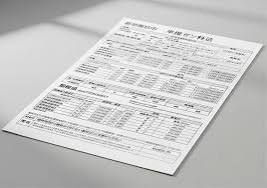

Japanese Car Auction Sheet Online in Pakistan
November 24, 2026
A Simple Guide for Car Buyers Buying a Japanese car in Pakistan can be a smart choice. These cars are usually well kept and offer good value. But there is one big risk: fake or changed auction sheets. Some sellers change the mileage or hide accident history to get a higher price. This guide explains, in simple words, how to check an auction sheet before you pay. What Is an Auction Sheet? In Japan, most used cars are sold through car auctions. Before each sale, an inspector checks the car and writes a report. This report is called the auction sheet . The sheet shows: The name of the auction house and the date The lot number The chassis number (also called the frame number) The model, year, color, and engine size The mileage (in kilometers) The overall grade of the car The interior grade A small drawing of the car with letters and numbers that mark dents and scratches Notes written by the inspector Think of it as the car's health report. Why Verification Matters A fake sheet can hide: Accident damage or repair work Rolled-back mileage Flood or water damage Rust or paint problems If you buy a car with a changed sheet, you may pay much more than the car is worth and face repair bills later. Step 1: Get a Clear Copy of the Sheet Ask the dealer or importer for a full, clear copy of the original auction sheet, not just a photo of one corner. Make sure you can read the chassis number, grade, and mileage. If the seller refuses to share it, take that as a warning sign. Step 2: Check the Basic Details Look closely at the sheet and ask yourself: Is the chassis number on the sheet the same as the one on the car? The chassis number should match the number on the car's body, the import papers, and the registration documents. Does the model and year match? A sheet for a different year or model means something is wrong. Does the color match? If the car has been repainted, the inspector's notes may mention it. Does the sheet look natural? Fake sheets often have blurry text, uneven fonts, or edited numbers. Step 3: Understand the Grade The grade tells you the car's overall condition. Here is a simple guide: Grade 5 or 4.5: Almost new, very clean Grade 4: Very good, minor marks Grade 3.5: Good, some small scratches or dents Grade 3: Average, visible marks Grade 2 or lower: Weak condition, possible repairs Grade R or RA: The car has been repaired after an accident Grade "*" or "?": Special or unclear condition; ask for more details The interior also gets a letter grade, usually from A (best) to D (worst). Step 4: Know the Damage Codes The drawing on the sheet uses short codes. Some common ones are: A: Scratch U: Dent W: Wavy or repaired panel S: Rust C: Corrosion X: Panel needs replacement XX: Panel already replaced The number next to the letter shows how bad it is. A bigger number means bigger damage. For example, A1 is a small scratch, while A3 is a big one. Step 5: Verify the Sheet Online This is the most important step. Here are the ways to do it: Use an auction sheet verification service . Several websites let you enter the chassis number or auction details and check them against Japanese auction records. Some are free and some charge a small fee. Choose a well-known service and read reviews first. Contact the auction house record or the exporter. The sheet shows the auction name and lot number. A trusted exporter can confirm these details from the auction system. Check the chassis number in the manufacturer's database. Many Japanese car brands and chassis-check websites show the year, model, and original specifications for a chassis number. If the sheet says one thing and the database says another, be careful. Ask for an export inspection certificate. Some cars are checked before export by an independent inspection company. Their certificate gives you a second opinion on mileage and condition. Cross-check with the vehicle's papers. Compare the sheet with the bill of lading, the customs clearance papers, and the export certificate. The chassis number should be the same everywhere. Note: Websites and services change over time. Always confirm that a verification site is real and trusted before paying. Step 6: Inspect the Car in Person Even if the sheet looks real, check the car yourself: Look for paint differences between panels Check the gaps between doors, bonnet, and boot Look under the carpets for water marks or rust Compare the mileage on the meter with the sheet Ask a trusted mechanic to inspect the car, or use a professional inspection service A sheet and a physical check together give you the best protection. Step 7: Check Registration and Import Papers In Pakistan, also check: That the car was imported legally and customs duty was paid That the import papers match the chassis and engine numbers That the registration is genuine (you can usually check this with your provincial excise office) Import rules and age limits can change, so check the latest rules with Pakistan Customs before buying. Warning Signs to Watch For The seller does not show the original sheet The price is much lower than similar cars The mileage seems too low for the car's age The seller pushes you to pay quickly The chassis number is hard to read or looks changed The sheet does not match the car's papers Quick Checklist I have a full, clear copy of the sheet The chassis number matches the car and the papers I checked the grade and damage codes I verified the sheet through a trusted online service A mechanic inspected the car The registration and import papers are genuine Final Words A few minutes of checking can save you lakhs of rupees. Always verify auction sheet , compare it with the real car, and never trust only the seller's word. A careful buyer is a safe buyer.
Members training sleds, rowers and wall balls in a Hyrox class in North West London
By Hema Shah • November 23, 2026
Where can you train for Hyrox in North West London? Join beginner-friendly Hyrox classes every Friday and Sunday at HIIT West Hampstead, NW6.
More Posts